Visual puzzles that ask you to “spot the mistake” have become widely popular because they challenge attention and observation. At first glance, these images or texts often appear completely normal, which is exactly what makes them so tricky.
The main goal of such puzzles is to find a small inconsistency hidden within a larger pattern. This could be a missing detail, a misplaced object, or even a tiny spelling error that blends in with everything else.
Many people focus on the obvious parts of the image and miss the real mistake. This happens because the brain tends to process familiar patterns quickly, sometimes overlooking subtle differences.
In some puzzles, the mistake is not in the image itself but in the wording. For example, a repeated word or a small typo can be the actual answer, even though most people search for visual errors first.
Other challenges hide the error in logic rather than appearance. Something may look correct visually but does not make sense in real life, such as missing shadows or unrealistic details.
The difficulty of these puzzles comes from how easily the mistake blends into its surroundings. A number may look identical except for one character, or an object may be slightly different in shape or position.
To solve these challenges, it helps to slow down and examine each part carefully. Breaking the image into sections or focusing on one detail at a time can make the hidden error easier to find.
In the end, these puzzles are not just for fun. They also improve concentration, attention to detail, and problem-solving skills, making them a simple but effective way to train the brain.
Finding 75 acres of undeveloped land is becoming increasingly rare as cities expand and open spaces are transformed into neighborhoods, roads, and commercial developments. A property of this size offers something increasingly valuable: room, privacy, flexibility, and the freedom to create a lifestyle according to your own vision.
Unlike a typical residential lot, 75 acres can provide genuine separation from surrounding homes and traffic. Expansive fields, wooded areas, natural features, and open horizons can create a peaceful environment where privacy becomes part of everyday life rather than simply a feature listed in a property description.
The possibilities are also remarkably diverse. Depending on local zoning and property conditions, owners might create a custom home site, gardens, orchards, walking trails, recreational areas, or small agricultural operations. Others may prefer to preserve most of the land naturally while developing only a small portion. The scale allows the property to evolve with changing needs.
Large acreage also creates a stronger connection with nature. Spring brings new growth, summer offers long evenings outdoors, autumn transforms the landscape with color, and winter introduces a quieter atmosphere. Instead of visiting nature occasionally, owners can experience these seasonal changes as part of everyday life.
For families, the land can become a place for recreation, outdoor gatherings, gardening, exploration, and traditions. Children can experience wildlife and changing landscapes firsthand, while family celebrations, camping trips, and weekend activities can become lasting memories.
The property may also support long-term goals. Improvements such as fencing, trails, gardens, storage buildings, or other infrastructure can potentially be added gradually rather than all at once. This gives owners the freedom to develop according to their time, finances, and changing priorities.
Stewardship can be equally important. Portions of the property could remain wooded or undeveloped, providing habitat for wildlife and preserving the natural character of the land. For some owners, the greatest value may come from protecting open space rather than maximizing development.
Before purchasing, however, buyers should carefully investigate zoning, boundaries, access, utilities, water, septic feasibility, soil conditions, wetlands, flood risks, easements, taxes, and development costs. Ultimately, 75 acres offers more than a place to build a home—it offers space to breathe, freedom to plan, and the opportunity to create something that can grow with you for years to come.
Waking up to a damp pillow can feel awkward, but drooling during sleep is more common than most people think. In many cases, it’s harmless and linked to simple factors like how you sleep.
One of the most frequent reasons is sleeping position. Lying on your side or stomach makes it easier for saliva to escape, especially if your mouth naturally opens while you rest.
Blocked nasal passages can also play a role. When allergies, colds, or sinus issues make it hard to breathe through your nose, your body switches to mouth breathing, which increases the chance of drooling.
Another possible cause is acid reflux. Conditions like GERD can trigger excess saliva production as your body tries to protect itself from stomach acid, leading to more saliva during sleep.
[Page]
Sleep disorders may also contribute. People with conditions like sleep apnea often breathe through their mouths or experience disrupted sleep, both of which can lead to increased drooling.
In some cases, the cause may be neurological. Conditions that affect muscle control can make it harder to swallow saliva efficiently, allowing it to build up and escape during sleep.
Medications and infections are additional factors. Certain drugs can increase saliva production, while throat or tonsil infections may make swallowing uncomfortable or less effective.
While occasional drooling is usually nothing to worry about, frequent or excessive drooling could signal an underlying issue. If it becomes persistent or is paired with other symptoms, it may be worth seeking medical advice.
Swollen ankles are easy to ignore, especially after a long day, but they can signal more than simple fatigue. That heavy feeling in your legs, the itching around your skin, or deep marks left by socks may point to an underlying issue that deserves attention.
One common cause is a condition linked to poor blood flow in the veins. When veins in the legs struggle to push blood back toward the heart, pressure builds up. Over time, this can lead to swelling, discomfort, and visible skin changes.
The skin around the ankles may start to look darker or feel irritated. In some cases, it becomes dry, fragile, or unusually thick. If the problem continues, small wounds can form and may be slow to heal, increasing the risk of complications.
These changes are often dismissed as part of aging, but they are not something to overlook. Similar symptoms can come from different causes, which is why proper evaluation is important instead of self-diagnosing.
[Page]
Simple habits can sometimes reduce mild swelling. Moving regularly, avoiding long periods of sitting or standing, and elevating your legs can help circulation. Gentle ankle movements throughout the day may also ease pressure.
Some people consider compression socks, but they are not suitable for everyone. Using them without guidance can sometimes do more harm than good, so it’s best to consult a healthcare professional first.
Pay attention to warning signs that go beyond mild discomfort. Persistent swelling, changes in skin color, or sores that do not heal should always be checked by a doctor.
If swelling appears suddenly in one leg, especially with pain, warmth, or redness, it could indicate a more serious condition. Symptoms like chest pain or difficulty breathing require immediate medical attention and should never be ignored.
The life you’ve been craving might be closer than you think. In Nimitz, West Virginia, a modest home sits on nearly 32 acres of meadow and woodland—offering something more valuable than size: space, quiet, and the chance to slow down.
At first glance, the house is simple. Inside, it opens into a comfortable layout with three bedrooms, two bathrooms, and shared living areas designed for everyday ease rather than show. It’s a place built for routine moments—meals, conversations, and time that doesn’t feel rushed.
But the true appeal begins outside. The land stretches wide, blending open pasture with wooded areas that invite both use and exploration. There’s room for a garden, an orchard, or even small livestock. The higher ground offers long, peaceful views across the surrounding hills—scenery that changes with the seasons and makes even quiet mornings feel meaningful.
[Page]
The setting strikes a balance between privacy and practicality. Nearby, Bluestone Lake and the Greenbrier River provide opportunities for fishing, kayaking, and time on the water. At the same time, town remains close enough for everyday needs, keeping convenience within reach.
This isn’t a property defined by luxury or excess. Its value lies in possibility—the chance to shape your days differently. Whether you’re looking to disconnect, create something of your own, or simply enjoy more breathing room, it offers a starting point that feels both grounded and open.
Sometimes, what you’re searching for isn’t a bigger house—but a different pace of life.
Sleeping with an air conditioner blowing directly on the body for long periods may be uncomfortable and, in some cases, could contribute to health issues in sensitive individuals. While cold air is not a direct cause of facial paralysis, experts warn that continuous exposure during sleep may increase risk factors in certain people.
Facial paralysis, such as Bell’s palsy, occurs when the facial nerve becomes inflamed. This condition is most often linked to viral infections, immune system responses, or underlying health issues rather than environmental temperature alone. However, prolonged exposure to cold airflow may potentially act as a trigger in vulnerable individuals.
People with weaker immune systems, older adults, or those with conditions like diabetes or high cholesterol may be more susceptible. These conditions can affect circulation and nerve function, making the body less able to handle stressors such as sudden temperature changes.
Experts emphasize that facial paralysis usually has multiple possible causes. Viral infections, post-surgical complications, and other medical factors are far more common triggers than air conditioning alone. Therefore, it should not be assumed that cold air is the primary cause.
[Page]
Still, prevention habits may help reduce discomfort. Avoiding direct airflow on the face while sleeping, adjusting AC direction, or using a timer can help maintain comfort without prolonged exposure. Keeping a stable room temperature is also recommended.
Medical professionals note that early symptoms may include mild facial weakness, numbness, or difficulty controlling facial expressions. These signs usually appear suddenly rather than gradually.
If such symptoms occur, prompt medical evaluation is important, as early treatment can improve recovery outcomes.
In summary, air conditioning itself is not dangerous, but direct and prolonged exposure during sleep may contribute to discomfort or risk in sensitive individuals.
For twelve years, eight thousand dollars arrived in my account from South Korea—like clockwork. Everyone said I was lucky, that my daughter Mary Lou was devoted and thriving. I wanted to believe it. But money can’t tell you if your child is truly okay.
After my husband died, she was my whole world. So when she married a man much older and moved across the world, I felt something was wrong. Still, she went, determined as ever, and I let her go—hoping she’d come back.
She never did. Calls grew shorter, colder, rehearsed. Messages became routine: “I’m doing well.” I held onto that word, even as it felt empty.
Video calls only made it worse. She looked distant, distracted. I was afraid to ask questions, afraid the truth would shatter everything. So I stayed silent and lived with the illusion.
[Page]
Years passed. I used her money to fix the house, but it never felt like home. Every holiday, I set a place for her anyway.
By year twelve, I couldn’t take it anymore. I flew to Seoul unannounced. The house she gave me led to was large, modern—and completely lifeless.
Inside, there were no signs of a real life. Bare rooms. No food. No warmth. Then I found boxes filled with cash. Panic set in.
When she walked in, I barely recognized her. Exhausted, broken, older than her years. Through tears, she told me everything—abandoned by her husband, buried in his debts, working endlessly just to survive… and still sending me money.
She had sacrificed everything so I wouldn’t worry. I didn’t care about the money anymore. I just wanted my daughter. We left together the next day—finally choosing each other over everything else.
I ordered a pizza in the evening, expecting nothing more than a simple, satisfying meal after a long day. When the delivery driver handed it over, everything seemed normal—warm box, familiar smell, routine comfort. But the moment I opened it, something felt slightly off, and I couldn’t ignore it.
For a few seconds, I just stared. The cheese looked unusual, covered in small, raised bubbles that caught the light in a strange way. It didn’t look like the typical smooth, melted surface I was used to. Instead, it felt unfamiliar, almost like I was looking at something I couldn’t immediately recognize.
My mind started racing. First, I thought it was just overcooked cheese. Then I wondered if the ingredients were bad, or if something had gone wrong during preparation. The longer I looked, the more my imagination filled in possibilities that made the situation seem worse than it probably was.
[Page]
Curiosity took over. I grabbed my phone and searched for answers, typing awkward descriptions of what I was seeing. Within moments, I found others who had experienced the same thing. The explanation was simple: those bubbles were just air and moisture trapped under the cheese during baking. Heat caused them to expand, forming those dome-like shapes.
Suddenly, everything changed. What looked strange and suspicious a moment ago now seemed completely normal. Even interesting. The pizza hadn’t changed—only my understanding had.
I took a bite, and it tasted exactly as expected. Nothing unusual. Just pizza.
That small moment stayed with me. It showed how quickly we jump to conclusions when something feels unfamiliar. Sometimes, what seems strange isn’t a problem at all—it’s just something we don’t yet understand.
as in my late twenties, I wanted a simple food that was satisfying, nutritious, and easy to prepare. That was when I began eating boiled sweet potatoes more regularly. I enjoyed their soft texture and naturally sweet flavor, but I soon realized they could also make meals feel more filling.
Sweet potatoes are naturally rich in carbohydrates, dietary fiber, vitamins, minerals, and plant compounds. Orange varieties are especially known for their beta-carotene content. The body can convert beta-carotene into vitamin A, an essential nutrient that supports normal vision, immune function, and other important processes.
One benefit I particularly appreciated was their fiber content. Dietary fiber supports normal digestion and can help maintain regular bowel movements. Including fiber-rich foods such as sweet potatoes, vegetables, fruits, beans, and whole grains can contribute to a healthy eating pattern. It is best to increase fiber gradually while drinking enough fluids.
Sweet potatoes also provide potassium, a mineral involved in normal muscle and nerve function and fluid balance. Getting enough potassium from a varied diet can support a heart-conscious eating pattern. However, no single food can prevent heart disease or guarantee healthy blood pressure.
They also contain vitamin C, although the amount can vary depending on the variety, serving size, and preparation method. Vitamin C contributes to normal immune function and helps the body absorb iron from plant-based foods. Eating a variety of nutritious foods is more important than relying on one ingredient for better immunity.
[Page]
Because sweet potatoes contain carbohydrates and fiber, they can be a satisfying addition to appropriately portioned meals. They may fit well into a balanced approach to weight management, especially when paired with vegetables and protein such as beans, eggs, fish, chicken, or tofu.
There is no guaranteed transformation from eating sweet potatoes for 30 days. Some people may simply notice greater meal satisfaction or enjoy having an easy, nutritious option available. Boiling is one simple preparation method, but sweet potatoes can also be baked, roasted, mashed, or added to soups.
My experience taught me that healthy eating does not have to be complicated. Sweet potatoes are not a miracle food, but they are versatile, flavorful, and nutrient-rich. When included as part of a balanced and varied diet, boiled sweet potatoes can be a practical and delicious addition to everyday meals.
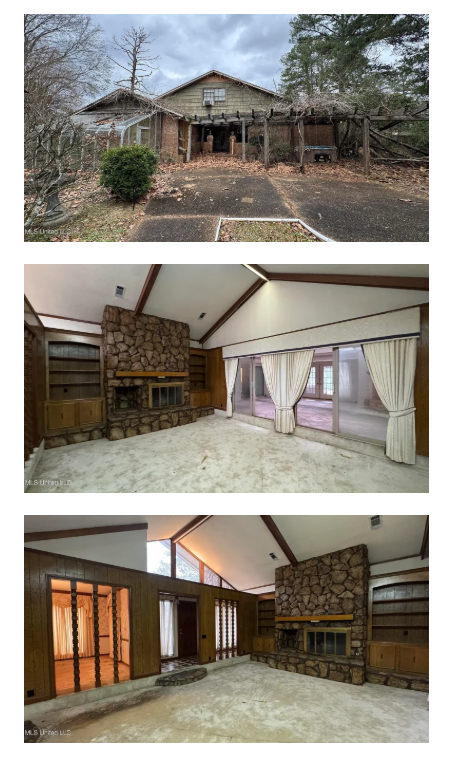
A modest single-family home on a generous two-acre lot offers something that can be difficult to find today: space, privacy, and a quieter lifestyle. The distance from neighbors and busy streets creates a natural buffer, allowing homeowners to enjoy outdoor activities, gardening, pets, or simply the peace of having room to breathe. Mature trees and established landscaping can add shade, beauty, and a stronger connection to nature.
The large property also provides plenty of possibilities for the future. Homeowners may have room for a workshop, shed, garden, fire pit, pool, greenhouse, or other outdoor features. The land can adapt as needs change, whether someone wants to grow food, create an entertaining area, or simply maintain a private natural retreat. This flexibility is one of the biggest advantages of owning more land.
[Page]
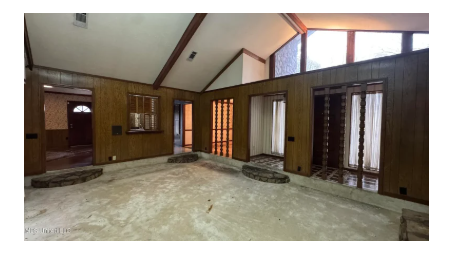
Inside, the home can remain practical and comfortable without being oversized. A typical layout with three bedrooms and two bathrooms can accommodate a family, guests, or a home office, while natural light and an inviting living area create a warm atmosphere. Features such as an attached two-car garage, a wide driveway, and a covered front porch add everyday convenience while making it easier to enjoy the surrounding property.
However, owning two acres also comes with responsibilities. Landscaping, trees, pests, utilities, security, and general maintenance require time and money. Buyers should also consider property taxes, insurance, internet access, water systems, zoning rules, and distance from schools, services, and workplaces. A larger property may provide opportunities for sustainable living through gardening, composting, rainwater collection, solar power, or other practices, but these require planning and upkeep.
Ultimately, a modest home on two acres can combine comfortable living with freedom and flexibility. It can serve as a first home, a quieter retreat, or a place for hobbies and future projects. As the article explains, such a property offers “space, tranquility, and the freedom to shape one’s environment.” For people who value privacy and outdoor living, that combination can create a lifestyle that extends well beyond the walls of the house.
The room died before she did. Air thickened, time fractured, and somewhere a machine announced the end of our universe with a single, unwavering line. I told my daughter it was all right to let go, even as every cell in my body screamed that it wasn’t. That it would never, ever be alr… Continues…
[Page]
I did not know a human heart could keep beating after it had been torn in two. Yet here we are: Hugo, Eloise, and I, orbiting the black hole where Deborah used to stand. The world insists on carrying on with its school runs, utility bills, and small talk, while we move through it like survivors pulling ourselves from wreckage no one else can see. Their grief erupts in slammed doors, midnight sobbing, and sudden, hollow laughter; mine hides in the quiet, in the letters I write to a woman who will never read them.
But she is not entirely gone. She lives in flour-dusted memories and off-key songs, in Eloise’s stubborn tilt of the chin, in the way Hugo pauses to think before he speaks. We speak her name as liturgy, not lament. Love has simply changed shape—no longer a hand in mine, but a compass in our bones. We will never call her absence “all right.” Yet as we stumble forward, holding on to one another, we are not just mourning what ended. We are, line by fragile line, continuing the story she began.
The silence hit before the shock did. One second, it was background noise and passing chatter. The next, every word died in people’s throats. Trump was there, yes—but it was the person beside him that made time feel wrong. No warning, no context, no reason. Just a calm, unreadable presence that felt like the star of a story no one understo… Continues…
[Page]
People would replay that moment in their minds long after the hallway emptied, searching for clues they were sure had to be there. A glance, a gesture, a familiar feature. But the stranger had moved with practiced ease, never breaking stride, never offering the crowd so much as a confirming look. It felt orchestrated yet deliberately unexplained, like the first scene of a script everyone had been dropped into without consent.
In the days that followed, theories spread faster than facts ever could. Some swore it was political, others personal, others something far more strategic. What united them all was an unease that refused to fade. Because this wasn’t just about who that person was. It was about why, in that fleeting, wordless moment, it felt as if the future had quietly stepped into the frame—and then walked away.
Dennis Haskins, best known as Principal Richard Belding from “Saved by the Bell,” has died at the age of 75.
Haskins became a familiar face to millions of ’90s viewers, playing Mr. Belding from Good Morning, Miss Bliss through Saved by the Bell and later The New Class.
[Page]
His longtime agent, Jay Schachter, confirmed his death and described it as a “tragic loss,” remembering Haskins as someone who deeply loved his fans. The cause of death has not been publicly released.
Fans will forever remember his iconic voice and unforgettable line:
“Hey, hey, hey, what is going on here?”
His former co-stars have also shared emotional tributes, remembering him as a kind and loyal friend.
A familiar face from so many childhood memories is gone.
Instead, it opened a door he can’t close. A trembling dispatcher, a symbol that should not exist, and a cliffside object that bends every rule he thought he knew. Now his inbox is a battlefield: threats, coordinates, ghosts of vanished sources.
Jonathan must choose: safety, or the kind of truth people don’t surv…
He stared at the jagged red symbol until his eyes burned, until the pixels seemed to pulse with a rhythm that wasn’t on the recording. Every instinct told him to drag the folder to the trash, to pretend the wind had scrambled the footage and the dispatcher had never gone silent mid‑sentence.
[Page]
But the pattern of disappearances in his old notes, the stories spiked without reason, lined up too neatly with the anonymous coordinates now flooding his inbox. The same symbol. The same vanishing points. The same quiet.
He printed nothing, wrote nothing down, trusting only what he could carry in his head. When he finally stepped outside, the street felt wrong—too many parked cars, too few faces, a drone humming somewhere he couldn’t see.
Jonathan realized the real discovery wasn’t the object under the cliff. It was how quickly the world rearranged itself to make sure he never reached it.
Pain hit like a lightning strike. One moment, Pat Sajak was walking with his daughter. The next, his world collapsed into blinding agony and a race against time. Doctors rushed, medications failed, and his body began to shut down. As his mind drifted and sounds faded, he wondered if this was his fi… Continues…
[Page]
For Pat Sajak, it started as a quiet, ordinary moment—a simple walk with his daughter that turned into a terrifying descent into pain. The sudden abdominal agony was so intense he could no longer stand, forcing an emergency trip to the hospital. There, doctors discovered a blocked bowel, a condition that can quickly become life-threatening if not treated in time. Initial medications barely touched the pain, and as stronger drugs took hold, his body relaxed while his mind slipped into an eerie calm.
In that surreal haze, Sajak felt oddly at peace, even as he believed he might be living his final moments. The sounds of nurses, machines, and worried family members seemed distant, like echoes from another room. Surgery ultimately saved his life, but the experience left him profoundly changed—a stark reminder of how fragile everything is, and how a single ordinary day can redraw the line between life and loss.
The door closes. The countdown begins. In a windowless cell steps from the death chamber, Christa Pike is living the last hours the state has allowed her to have. No appeals left. No more second chances. Just a body, a crime, and a ritual designed to look clean while feeling anyth… Continues…
[Page]
In Tennessee’s most closely watched execution in decades, the final hours unfold with a cold, rehearsed precision. Pike, once an 18-year-old drifter who helped torture and kill fellow student Colleen Slemmer, is now a 50-year-old woman watched around the clock, every movement logged. Her lawyers’ desperate bid for clemency has failed; the governor has turned her away. Her last requests are reduced to details the public will obsess over: the food on her tray, the clothes she wears, the faces allowed to witness her death, and her plea for an all-female team to touch her body after a lifetime of male violence.
Outside, protesters and supporters argue over justice and mercy. Inside, the process never pauses. IV lines are checked. The gurney waits. Sedative, paralytic, potassium—one by one, the drugs will erase her from the world, while the memory of what she did, and what the state is about to do in return, refuses to di.
The story spread like wildfire, but the facts never showed up. A nameless city, faceless “authorities,” and a family thrust into the spotlight without consent. People shared it anyway. They cried, they raged, they guessed, they embellished. Every click made it feel more “real,” even as basic questions went unanswered and the truth slipped fur…
Continues…
[Page]
What makes this viral family story so unsettling is not just what it claims, but what it refuses to reveal. No location, no traceable agencies, no independently verifiable records—only placeholders and vague references dressed up as confirmation. That emptiness invites the audience to do the dangerous work of filling in the gaps themselves, turning guesses into “facts” and private people into unwilling public characters.
A more careful response begins with restraint. Instead of amplifying a story that withholds its own foundations, readers can pause and ask the questions the article avoids: Where did this happen? Who witnessed it? Which named source stands behind each claim? That pause protects not only our understanding of reality, but also the families and children who may be harmed by speculation. In a digital environment where speed rewards outrage, the quiet choice to wait for evidence is not indifference; it is a form of responsibility
A devastating accident occurred late last night when an ambulance carrying a newborn and several passengers overturned on a busy highway. According to local officials, nine people were injured in the crash, including the infant, medical staff, and the driver. The vehicle was reportedly en route to a nearby hospital when it suddenly lost control and flipped multiple times before coming to a stop on its side.
[Page]
Emergency responders quickly arrived at the scene to rescue those trapped inside. Witnesses described a chaotic scene, with flashing lights and paramedics rushing to provide immediate medical attention. The newborn, along with two nurses, was taken to the hospital in stable condition, while others sustained moderate to serious injuries.
Authorities are currently investigating what led to the crash. Early reports suggest that slick road conditions and possible speeding may have contributed to the accident. The ambulance’s black box data and dashcam footage are being reviewed to determine the exact cause.
This heartbreaking incident serves as a sobering reminder of the risks faced by emergency responders every day. Even vehicles designed to save lives are not immune to danger on the road. Thankfully, all victims are expected to recover, and the community has come together in support of the medical team and family affected by the terrifying accident.
The Restorative Power of Short Outdoor Breaks During Work Modern work culture often demands long hours of sitting indoors, staring at screens, and handling continuous tasks with minimal interruption. While productivity is highly valued in professional settings, many workers overlook one simple yet effective habit that can dramatically improve both mental and physical well-being: taking short outdoor breaks during work hours. Even a brief 10 to 15-minute step outside can offer powerful restorative benefits, helping employees reset their minds, reduce stress, and return to tasks with improved focus.
Short outdoor breaks are becoming increasingly recognized as an essential part of workplace wellness. As more research highlights the relationship between nature exposure, movement, and cognitive performance, workers and employers alike are discovering that productivity is not about constant output. Instead, sustainable performance depends on intentional recovery periods throughout the day. Short outdoor breaks offer a practical and accessible way to restore energy without disrupting workflow.
[Page]
Why Indoor Work Environments Can Drain Energy Most office environments are designed for efficiency, but not necessarily for human restoration. Artificial lighting, climate-controlled spaces, repetitive tasks, and prolonged screen exposure can contribute to mental fatigue. Over time, the brain becomes overloaded with information processing, decision-making, and sensory input from digital devices.
Sitting in the same environment for hours can also reduce alertness. Without variation in scenery, movement, or fresh sensory experiences, the nervous system may begin to feel overstimulated yet under-refreshed. This creates a common paradox in workplace fatigue: feeling mentally exhausted while physically restless.
Indoor air quality may also play a role. Enclosed spaces can feel stagnant, especially during long meetings or periods of focused computer work. Combined with poor posture and reduced movement, this can contribute to sluggishness, headaches, and declining concentration levels throughout the day.
How Outdoor Breaks Support Mental Restoration Stepping outdoors provides an immediate shift in environment that helps interrupt cognitive overload. Natural settings offer a softer type of sensory input compared to screens, notifications, and office noise. Trees, sky, sunlight, and open space engage attention in a gentle way, allowing the brain to recover from intense focus demands.
This process is often linked to attention restoration. When individuals spend long periods concentrating on work tasks, directed attention becomes fatigued. Outdoor environments help replenish this mental resource by engaging effortless attention through natural scenery and movement.
Even a short walk outside can reduce mental clutter. Workers often report returning from outdoor breaks feeling calmer, clearer, and more capable of prioritizing tasks. Instead of forcing productivity through continuous effort, short outdoor breaks create space for the mind to reset.
The Stress-Reducing Effects of Nature Exposure Stress accumulation during workdays is common, especially in fast-paced or deadline-driven environments. Emails, meetings, performance expectations, and multitasking can activate the body’s stress response for extended periods.
Outdoor breaks help regulate this response. Exposure to natural light and fresh air can create a calming effect on the nervous system. Being outside often encourages slower breathing, relaxed muscle tension, and reduced feelings of confinement.
Natural settings are associated with lower perceived stress levels because they create psychological distance from work demands. Even if the workload remains unchanged, a few minutes outdoors can reduce emotional intensity and improve resilience.
This emotional reset is particularly useful after mentally demanding tasks, difficult conversations, or long periods of uninterrupted focus.
Improved Focus and Productivity After Outdoor Breaks Many workers worry that breaks reduce productivity. In reality, the opposite is often true. Short outdoor breaks can improve work efficiency by reducing mental fatigue and supporting sharper attention.
After extended concentration, cognitive performance naturally declines. Mistakes become more likely, motivation drops, and task completion may slow down. Continuing to work without breaks often results in diminishing returns.
Outdoor breaks act as a reset button. By briefly disengaging from work, employees often return with renewed mental energy and improved problem-solving ability. Fresh perspectives may emerge after stepping away from challenging tasks.
This makes short outdoor breaks especially valuable for creative professionals, analysts, writers, and anyone engaged in mentally intensive work.
Physical Benefits of Brief Outdoor Movement Short outdoor breaks also support physical health. Many office workers spend most of the day sitting, which can contribute to stiffness, reduced circulation, and postural discomfort.
Walking outdoors encourages gentle movement, helping improve blood flow and reduce muscular tension. Stretching the legs, moving the shoulders, and changing body position can relieve physical strain associated with desk work.
Outdoor movement also helps counteract the effects of prolonged screen time. Looking into the distance gives the eyes a break from close-up visual focus, reducing eye fatigue and visual discomfort.
Even a slow walk around a building or brief time standing outdoors can create meaningful physical relief during the workday.
The Role of Sunlight in Energy Regulation Natural sunlight plays an important role in regulating circadian rhythms and daytime alertness. Spending all day indoors can reduce exposure to beneficial daylight, particularly during winter months or in window-limited office spaces.
Short outdoor breaks provide valuable sunlight exposure that can help support healthy energy patterns. Morning or midday outdoor time may improve wakefulness and reduce afternoon energy slumps.
Sunlight exposure is also linked to mood regulation. Bright natural light may support emotional well-being and help reduce feelings of lethargy commonly experienced during long indoor work sessions.
Workers who integrate outdoor breaks into their routine often describe feeling more refreshed and less mentally foggy throughout the day.
How Outdoor Breaks Encourage Better Work-Life Balance Short outdoor breaks can create intentional pauses that prevent workdays from feeling continuous and overwhelming. Without breaks, many people move from task to task in an automatic mode, leading to emotional depletion by the end of the day.
Stepping outside introduces rhythm into the workday. These brief pauses act as transitions between periods of effort, helping workers maintain steadier energy levels.
This rhythm supports healthier boundaries with work. Rather than viewing productivity as nonstop activity, employees begin to recognize recovery as part of effective performance.
Over time, consistent outdoor breaks can reduce burnout risk by making work feel more manageable and sustainable.
Simple Ways to Add Outdoor Breaks Into the Workday Outdoor breaks do not need to be lengthy or complicated. Even five to fifteen minutes can be beneficial when practiced consistently.
Take a short walk during lunch or between meetings Stand outside while drinking water or coffee Use phone calls as walking opportunities Step outdoors after completing mentally demanding tasks Sit in a nearby outdoor area for a brief reset The goal is not exercise intensity or productivity optimization. The purpose is restoration. Small, regular outdoor pauses can create noticeable improvements in focus, mood, and work quality.
Conclusion The restorative power of short outdoor breaks during work lies in their simplicity. In just a few minutes, workers can reduce mental fatigue, improve emotional balance, support physical comfort, and return to tasks with greater clarity.
As workplace demands continue to increase, sustainable productivity requires more than discipline and time management. It also requires recovery. Short outdoor breaks offer an accessible and effective way to recharge during the workday while supporting long-term well-being.
Whether it is a brief walk, a few minutes in sunlight, or simply stepping outside for fresh air, these small moments of restoration can make a meaningful difference in how people work, feel, and perform each day.